

Field note · Decision making
Repair or Replace: Reading the Signals on an Older Air Conditioner
Age alone is a poor reason to replace a system. These are the readings, repair patterns and duct conditions that actually separate a keeper from a candidate.
November 18, 2026 · 8 min read
Every summer we are asked the same question in different words: is this system worth another repair, or is it time to start over? The honest answer depends less on the calendar than on a handful of measurements that describe how the equipment is behaving right now, and how much of its capacity is arriving in the rooms.
Below is the order we work through on an older system, from cheapest signal to most expensive decision. None of it requires replacing anything to find out.
Start with age and refrigerant, then set it aside
A system installed in the late 2000s is not automatically near the end. What matters more is which refrigerant it uses, whether parts are still made for it, and whether it has been maintained rather than merely repaired. An older unit that has had its coil cleaned and its charge verified each year is a very different proposition from one that has only seen attention when it stopped working.
Age becomes decisive when a major component fails and the replacement part is scarce, or when the compressor itself is the failed part. Those are the two situations where the arithmetic stops being interesting.
Separate the cheap failures from the expensive ones
Most no-cool calls are not compressor failures. A failed run capacitor, a pitted contactor, a tripped float switch or a control board with a bad relay all produce the same symptom: the outdoor unit hums, clicks or sits silent while the indoor blower runs. Each of those is a modest repair with a clear diagnosis behind it.
A grounded compressor, a seized condenser fan motor or a leaking evaporator coil sits in a different category. Those repairs cost enough that the condition of the rest of the system, especially the coil and the ductwork, decides whether the money is well spent.
Read the numbers, not the noise
Four readings do most of the work. Superheat and subcooling describe the refrigerant charge and whether the metering device is behaving. Temperature split across the evaporator describes how much cooling the air is actually receiving. Amp draw on the compressor and blower describes mechanical condition and how hard the equipment is working to deliver what it delivers.
A system can look fine at the thermostat and still be two pounds low on charge with a five-degree split loss. When those readings are written down year over year, a slow decline becomes visible long before a breakdown, and the repair-or-replace question answers itself with evidence instead of instinct.
Check the distribution before blaming the box
In El Cajon, a meaningful share of "the AC is failing" calls end with the equipment performing correctly and the duct system losing the capacity on the way to the rooms. Attic runs above 140°F pick up heat, disconnected boots dump cold air into insulation, and crushed flex duct strangles the last register on the trunk.
If static pressure is high and the far rooms are consistently short, a new condenser will reproduce the complaint with a newer serial number. Sealing and rebalancing first is both cheaper and a fair test of whether the equipment was ever the problem.
When replacement is the calmer choice
Replacement starts to make sense when a major component has failed on a system that is already past its expected service life, when the refrigerant is no longer available at reasonable effort, or when the accumulated repairs in a short window exceed what a new system would cost to own. It also makes sense when the existing equipment cannot be matched to a corrected duct system without compromising the result.
The decision should include the distribution, not just the box. A load calculation on the house as it stands, a duct evaluation and a plan for the transition and commissioning belong in the same conversation as the equipment choice, otherwise the new system inherits the old problems.
Plan the swap around the household
A replacement is a scheduled project, not an emergency, once the decision is made deliberately rather than at 6 PM on the hottest day of the year. Most straightforward changeouts finish in a day, including removal, new transition work, evacuation and commissioning, with the thermostat left set and the readings documented.
If the system is limping through a heat wave while you decide, say so on the call. Sometimes a targeted repair buys a season of breathing room and moves the replacement to a month when the house is empty and the schedule is flexible.
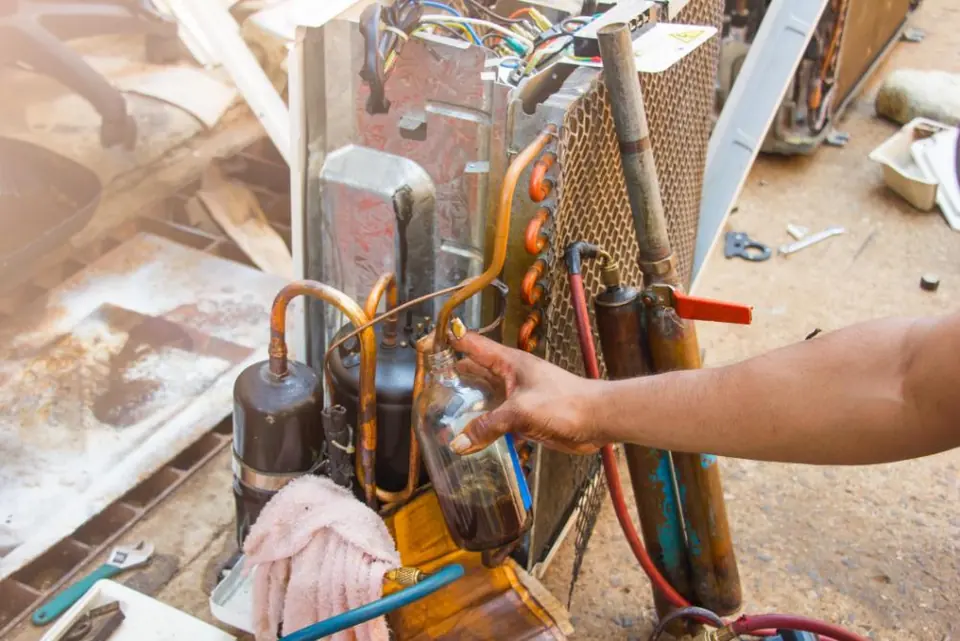
What the readings show
Numbers beat impressions every time
Charge, airflow and electrical condition each leave a signature in the readings. Written down and compared, they describe whether a system is aging gracefully or heading for a failure, and they make the next decision cheaper either way.

Questions
Asked about this often
Next step
Get a straight answer on an older system
Describe the age, the last repair and what the house feels like. We will measure before recommending either path.